The Rooms That Matter Most When Staging a Home
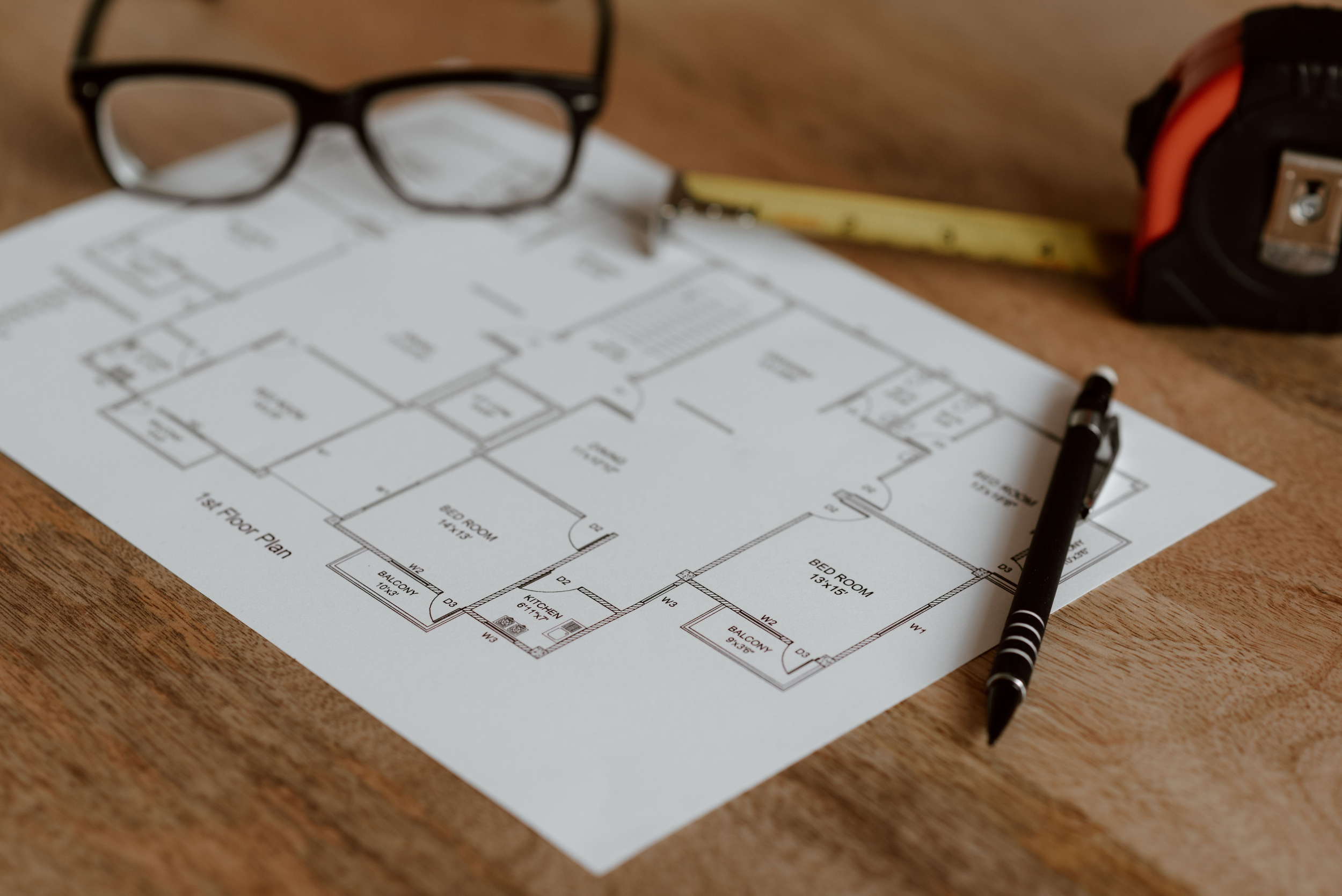
When you're preparing a home for sale, it can be tempting to think that every room needs the same amount of attention. But staging isn't about making every space equally impressive. It's about making strategic choices that help buyers see the home's potential.
While every room should be clean, tidy, and well maintained, certain spaces have a much bigger influence on how buyers perceive a property.
Focusing your staging efforts on those key rooms can make the entire home feel more cohesive—and can help you avoid spending time and money where it won't have as much impact.
Why Strategic Staging Matters
Buyers don't experience a home as a collection of individual rooms. They experience it as a whole.
The way they move from the entry into the living space, through the kitchen, and toward the bedrooms creates an overall impression of the property. If the most important spaces feel spacious, functional, and inviting, that positive impression can carry throughout the rest of the home.
That's why professional staging starts with prioritizing.
Rather than simply adding furniture and décor to every room, a good staging plan considers the home's layout, architecture, target buyer, and the spaces that are most likely to influence a purchase decision.
The Living Room
The living room is often one of the first major interior spaces buyers see, which makes it an important part of the home's first impression.
It should feel comfortable and inviting while still giving buyers a clear sense of the room's size and function.
A well-staged living room should:
Feel open and easy to navigate
Have appropriately scaled furniture
Create a natural conversation area
Highlight natural light, views, or architectural features
Have enough furniture to demonstrate the room's purpose without overcrowding it
One of the most effective changes is often subtraction. Removing an oversized sofa, extra chair, or unnecessary table can completely change how spacious a room feels.
The goal isn't to make the living room look empty. It's to make the available space feel useful and appealing.
The Kitchen
The kitchen consistently ranks among the spaces buyers pay close attention to. It is often viewed as the heart of the home and can have a significant influence on how buyers evaluate the property.
A kitchen doesn't necessarily need a major renovation before listing. Presentation can make a substantial difference.
Before showings and photography:
Clear most items from the countertops
Remove magnets, papers, and personal items from the refrigerator
Put away small appliances that aren't essential
Minimize decorative objects
Make sure cabinet and drawer fronts are clean
Keep the sink and surrounding area spotless
A clean, uncluttered kitchen allows buyers to focus on the space itself rather than the seller's belongings.
And remember: countertops are valuable visual real estate. The more open surface buyers can see, the more spacious and functional the kitchen can appear.
The Primary Bedroom
The primary bedroom should feel like a retreat.
Buyers aren't just looking at the size of the room. They're imagining what it will feel like to come home to it every day.
Effective staging can include:
Fresh, neutral bedding
A limited number of pillows
Simplified nightstands
Appropriate-sized lamps
Minimal personal belongings
Removing excess furniture
The room should feel calm rather than overly decorated.
If the bedroom is smaller, scale becomes particularly important. Too much furniture can make an otherwise comfortable bedroom feel cramped, while a thoughtfully furnished room can help buyers understand how much space they actually have.
Dining Areas
Dining spaces are sometimes overlooked, particularly when a home has an informal eating area rather than a dedicated dining room.
But these spaces help buyers understand how the home functions.
A dining room that feels awkward or undefined can leave buyers wondering how they would use it. A simple table and appropriately scaled chairs can immediately establish the purpose of the space.
You don't need an elaborate tablescape. A simple centerpiece or restrained table setting is often enough to suggest how the space might be used for everyday meals or entertaining.
The same principle applies to an eat-in kitchen. If there's room for a small dining table, showing buyers how that space works can make the kitchen feel more functional.
Secondary Spaces Still Matter
Guest bedrooms, home offices, bonus rooms, and flex spaces may not carry the same weight as the kitchen or primary bedroom, but they shouldn't be ignored.
The biggest mistake is leaving buyers to figure out what an unusual or awkward room is supposed to be.
If a room could function as an office, show it as an office. If it's clearly a guest bedroom, furnish it accordingly. If it's a bonus room that could serve multiple purposes, choose one strong use rather than filling it with miscellaneous furniture.
Purpose creates clarity.
Buyers don't necessarily need to see every possible use for a room. They need enough information to understand how the space could work for them.
What About Bathrooms?
Bathrooms may not require extensive staging, but they absolutely need to feel clean, fresh, and well maintained.
This is one area where small details can have a big impact.
Start with the basics:
Remove personal toiletries from countertops
Use fresh, neutral towels
Clear the shower and tub of excess products
Replace worn or tired bath mats
Clean mirrors, fixtures, and glass thoroughly
Keep décor simple
A bathroom doesn't need much decoration. Buyers are primarily looking for signs that the space is clean, functional, and cared for.
What About the Rest of the House?
If you're wondering whether every room needs to be professionally staged, the answer is: not necessarily.
Some spaces simply need to be edited and cleaned. Others may benefit from furniture, artwork, or accessories to help buyers understand their purpose.
The key is to look at the home from a buyer's perspective.
Ask:
What will buyers see first?
Which rooms are most important to them?
Are there spaces that feel too crowded?
Are there rooms whose purpose isn't obvious?
Where does the home have its strongest features—and are those features getting the attention they deserve?
Strategic staging doesn't mean putting the same amount of effort into every square foot. It means directing attention where it matters most.
Don't Forget the Spaces Between the Rooms
There is one more piece of the puzzle: the transitions.
Hallways, stairways, entry points, and other connecting spaces may not be the rooms buyers remember, but they influence how the entire home flows.
Keep pathways clear. Remove furniture that makes circulation feel tight. Make sure lighting is adequate. And pay attention to what buyers see as they move from one important space to another.
A beautiful kitchen doesn't have quite the same impact if buyers have to squeeze past furniture to get there.
Good staging creates a sense of continuity throughout the home.
The Best Staging Plan Is Specific to the House
There isn't a universal formula for how much staging every home needs.
A vacant home may need furniture throughout to help buyers understand scale and function. An occupied home may need more editing and rearranging than adding anything new. A smaller home may benefit from aggressive decluttering, while a large home may need strategic furniture placement to prevent rooms from feeling empty.
That's why staging is more than decorating.
The right approach considers the property itself, the market, the likely buyer, and the story the home needs to tell.
For Brokers
For brokers, knowing which spaces deserve the most attention can make the preparation process more efficient—and can help sellers understand where their staging investment is going.
Essential Home Staging works with brokers throughout Western Washington to create staging plans tailored to each property. We look at the home's layout, architecture, condition, and target market to determine where staging can have the greatest impact.
Because the goal isn't to make every room look the same.
It's to make the right rooms work harder.